From Bedside to Breakthroughs: My Journey as a Wound Care Nurse
Lady Janice Duterte,BSN RN WCN-N CSWD FCN-C
5/19/20262 min read
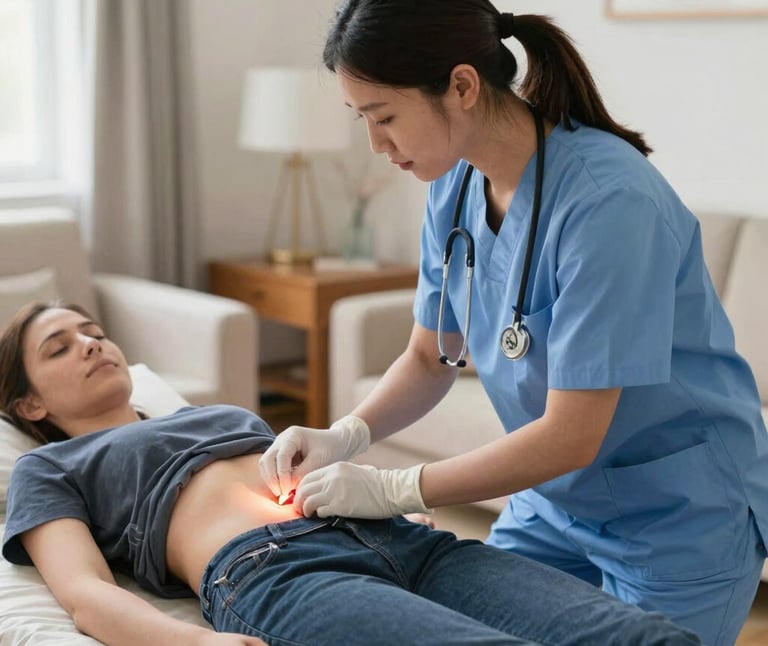
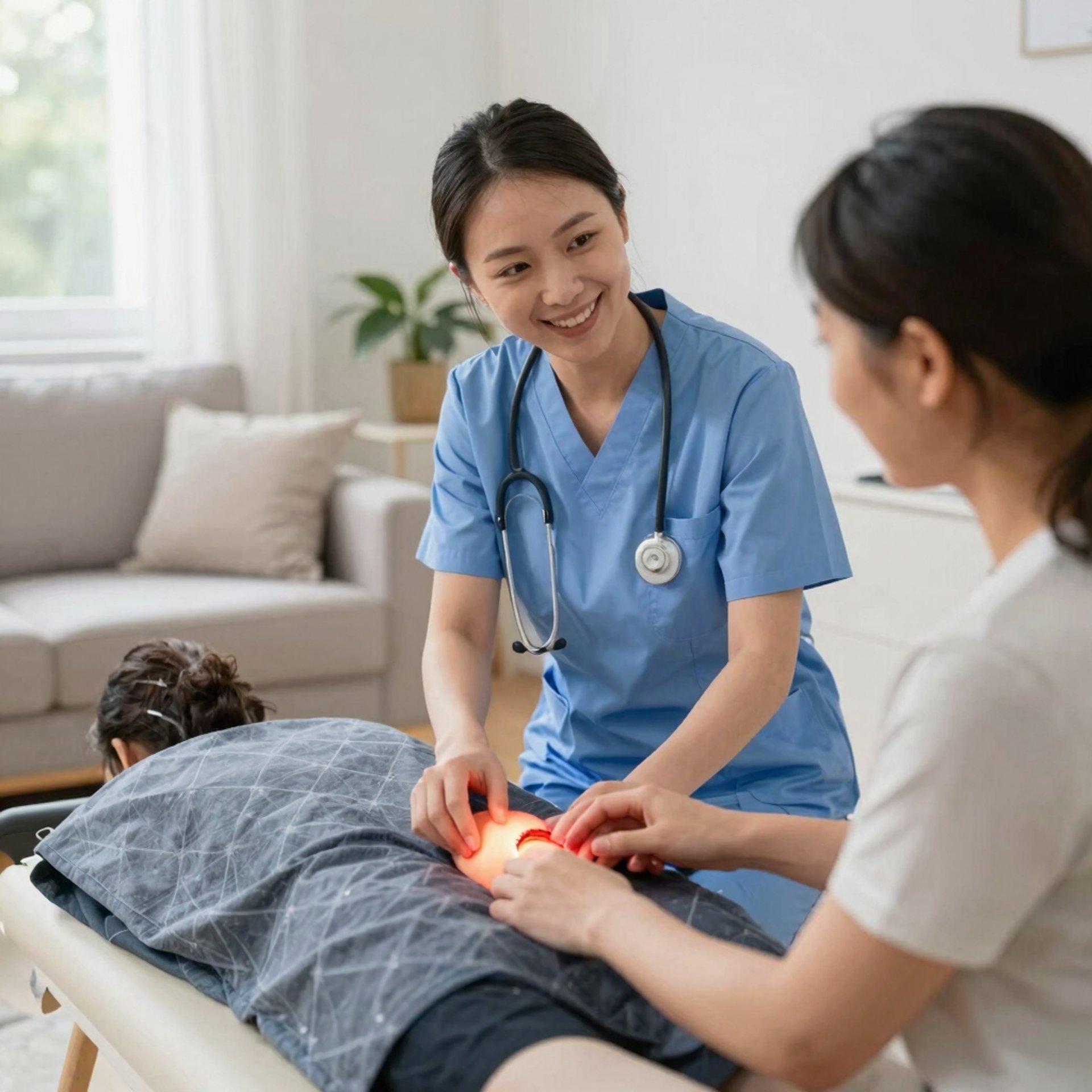
There is something profoundly rewarding about watching a wound heal. Not just physically, but seeing a patient regain comfort, dignity, and confidence. That moment—when tissue begins to granulate, when pain decreases, when mobility improves—that became my definition of fulfillment.
Falling in Love with the Process of Healing
Wound care is not instant. It demands discipline, critical thinking, and relentless follow-through. In those early years, I learned that healing is not just about dressing changes—it’s about understanding the whole patient:
Nutrition
Circulation
Comorbidities
Mobility
Compliance
Every wound tells a story. And every nurse has a responsibility to read it correctly.
Those foundational years built my clinical eye. I learned to recognize early signs of deterioration, prevent complications, and advocate for timely interventions. More importantly, I learned that consistency in care is what separates good outcomes from preventable hospitalizations.
Transitioning to Home Health: Where Complexity Meets Reality
As I transitioned into home health, the game changed.
In facilities, you have structured support. In the home, you rely on your own clinical judgment, resourcefulness, and ability to educate—not just treat.
This is where I encountered some of the most complex wounds of my career:
Chronic diabetic ulcers
Post-surgical non-healing wounds
Infected pressure injuries
Patients requiring advanced therapies like Negative Pressure Wound Therapy (Wound VAC)
Wound VAC cases, in particular, challenged me to elevate my practice.
Managing these cases in the home setting requires:
Strict aseptic technique
Precise dressing application
Monitoring for complications (infection, bleeding, seal failure)
Coordinating with physicians and supply vendors
Educating patients and caregivers in real-time
There’s no room for shortcuts. One small error can delay healing—or worse, lead to rehospitalization.
From Experience to Expertise
Through the years, what once felt challenging became second nature.
I developed confidence not just in performing procedures, but in leading wound care management:
Anticipating complications before they happen
Adjusting care plans based on wound progression
Advocating for advanced treatments when needed
Educating families to become partners in care
Experience teaches you something textbooks cannot—how to make decisions in imperfect conditions.
And in home health, conditions are almost never perfect.
The Real Impact: Beyond the Wound
What keeps me going after nearly two decades is not just the wound itself—it’s the patient behind it.
I’ve seen patients go from:
Bed-bound to ambulatory
Discouraged to hopeful
Recurrent hospitalizations to stable recovery
Wound care is more than clinical—it’s deeply personal.
You are entering someone’s home, their life, their vulnerability. You are not just treating tissue—you are restoring quality of life.
Where I Stand Today
Today, as a wound care nurse and a leader in home health, I carry every lesson from those 19 years into my practice.
I don’t just perform wound care—I build systems around it:
Preventing avoidable hospitalizations
Ensuring continuity of care
Training caregivers and staff
Elevating the standard of care in the home setting
Because here’s the truth:
Wound care done right doesn’t just heal wounds—it saves lives.
Final Reflection
If there’s one thing this journey has taught me, it’s this:
Healing takes time—but it also takes the right nurse.
And I’m PROUD to say that after 19 years, I’m still learning, still growing, and still deeply committed to the art and science of wound care.
Nineteen years ago, I stepped into a nursing facility in New York as a young nurse, eager but still discovering where I truly belonged in this profession. I didn’t know it at the time, but that environment would shape my entire career—and ultimately, my purpose.
It was there that I first encountered wound care in its "rawest", most humbling form. Pressure injuries, surgical wounds, chronic ulcers—cases that required not just clinical skill, but patience, consistency, and deep compassion. What drew me in wasn’t just the complexity—it was the transformation.